
Understanding EKG Machines
Before diving into the troubleshooting process, it’s essential to grasp what EKG machines do. These machines, also known as electrocardiographs, monitor the heart’s electrical activity by producing a visual representation of the heart’s rhythm. They play a critical role in diagnosing various heart conditions, from arrhythmias to myocardial infarctions. Knowing how these devices operate can significantly aid in troubleshooting when issues arise.
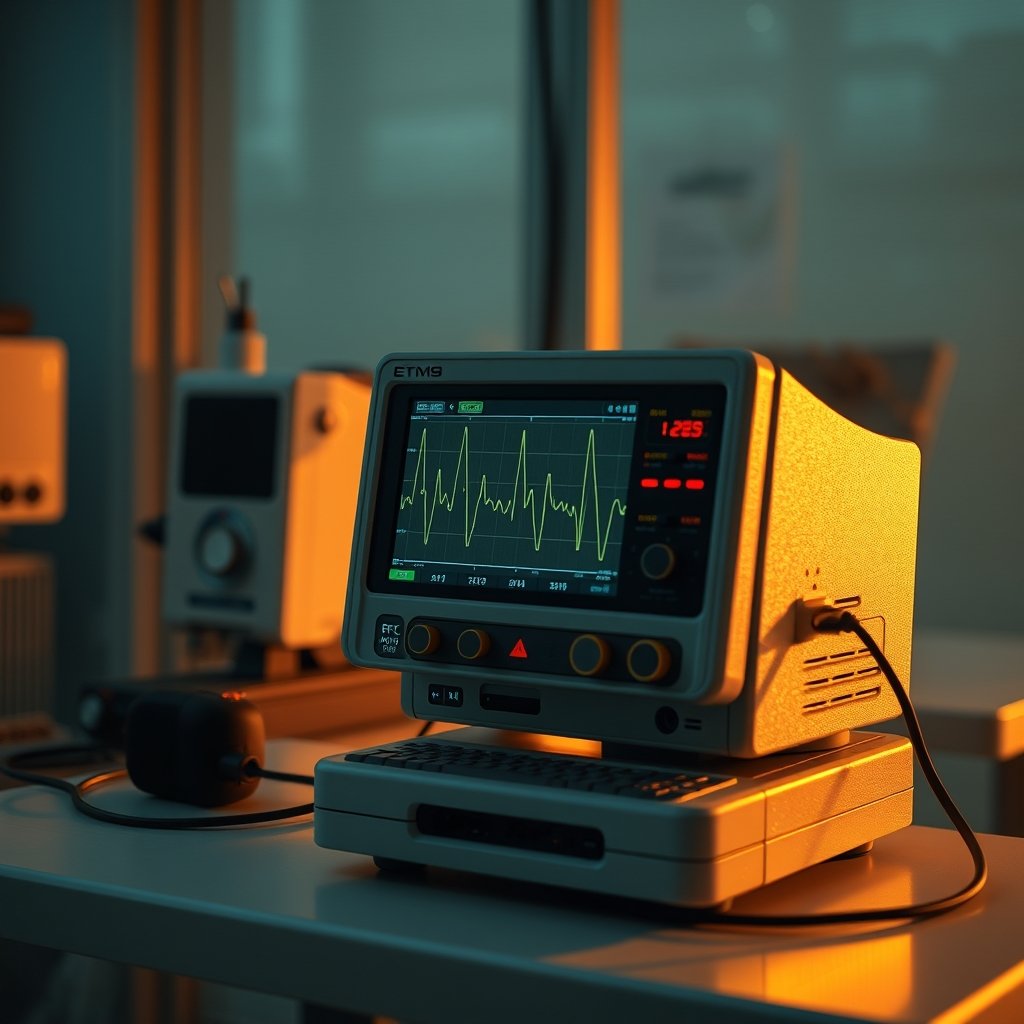
The functionality of EKG machines hinges on a series of electrodes placed on the patient’s skin, which detect electrical impulses generated by the heart. These signals are converted into waveforms displayed on a monitor or printed on paper. Various models exist, ranging from portable devices to more sophisticated hospital-grade machines. Each type has unique features, but the core principles of operation remain consistent.
Take, for instance, a portable EKG machine used in home care settings. One of my colleagues, Sarah, shared an experience where she had to quickly assess a patient with chest pain. The portable EKG was essential for immediate analysis, allowing her to relay crucial information to the emergency team. This emphasizes not only the importance of understanding how these machines work but also the urgency that can accompany their usage.
Common Issues with EKG Machines
When working with EKG machines, users may encounter a variety of issues. Understanding these common problems can streamline the troubleshooting process. Here are several frequent issues you might face:
- No Signal Detected: This is often the most alarming issue. When the machine cannot detect any electrical activity, it may be due to improper electrode placement, poor skin contact, or an issue with the machine itself. I once witnessed a situation where a technician was about to panic; however, it turned out just to be a misplaced electrode.
- Noisy or Unclear Readings: Sometimes the EKG output may appear as static or unclear. This might result from external electrical interference, faulty leads, or inadequate skin preparation. Ensuring the room is free from electronic devices can often resolve this issue.
- Machine Won’t Power On: If the machine doesn’t turn on, it could be due to a dead battery, a faulty power source, or internal malfunctions. I recall a case where a technician was in a rush and forgot to check if the machine was plugged in, leading to unnecessary delays.
- Calibration Errors: Regular calibration is necessary for accurate readings. If the machine shows erratic results, it might need recalibration. For instance, a facility I worked at implemented a strict calibration schedule, which significantly reduced these errors.
Step-by-Step Troubleshooting Process
When faced with issues, a systematic approach to troubleshooting can help you identify the problem efficiently. Here’s a step-by-step guide on how to troubleshoot EKG machines:
- Check the Power Supply: Ensure that the EKG machine is plugged in and that the power outlet is functional. If it’s a portable machine, verify that the battery is charged. I’ve seen many technicians overlook this step, leading to unnecessary troubleshooting.
- Inspect the Electrodes: Make sure the electrodes are properly placed and securely attached to the patient’s skin. Check for any signs of wear or damage. I once had a patient with oily skin, which required extra preparation to ensure good contact.
- Examine the Leads: Inspect the leads for any visible damage or corrosion. Disconnect and reconnect them to ensure a good connection. A colleague shared a story where a simple lead replacement fixed the issue instantly.
- Review Machine Settings: Check the settings on the EKG machine. Ensure that the correct mode is selected, and adjust any parameters if necessary. This is often overlooked, especially in multi-use environments.
- Test with a Different Patient: If possible, connect the EKG machine to another patient to determine if the issue lies with the machine or the initial patient. This can help isolate the problem effectively.
- Consult the Manual: Refer to the user manual for troubleshooting tips specific to your EKG machine model. This resource can be invaluable, especially for complex models.
This systematic approach not only aids in identifying the issue but also provides a clear protocol to follow when things don’t seem to be working right. In my experience, maintaining a troubleshooting checklist can be a lifesaver during hectic shifts.
Key Tools for Troubleshooting EKG Machines

Having the right tools on hand can significantly simplify the process of troubleshooting EKG machines. Here are essential tools you should always keep in your kit:
- Multimeter: A multimeter can help test the electrical components of the machine, ensuring they’re functioning correctly. I’ve often found that technicians who understand how to use this tool can diagnose problems more quickly.
- Electrode Gel: This can enhance electrode conductivity, improving the quality of the readings and minimizing noise. I remember a time when a little extra gel made all the difference in obtaining clear readings.
- Replacement Leads: Always have spare leads available, as they can wear out over time and cause issues. I once went through a series of lead replacements during a busy shift, highlighting the importance of being prepared.
- Cleaning Supplies: Keeping the machine clean can prevent malfunctions. Use alcohol wipes and soft cloths to maintain the unit. Regular cleaning has been a game changer in my experience, reducing the frequency of issues.
By having these tools readily available, you can efficiently address issues as they arise, reducing downtime and ensuring patient safety. It’s worth investing in a well-stocked troubleshooting kit. Everything You Need to Know About Becoming an EKG Technician
Preventive Maintenance Tips for EKG Machines
To minimize the need for troubleshooting, regular maintenance of EKG machines is crucial. Here are some preventive maintenance tips that can help keep your equipment in top condition:
- Regular Cleaning: Clean the machine and its components regularly to prevent buildup that could affect performance. I make it a habit to clean machines after each use.
- Routine Calibration: Schedule routine calibration checks to maintain accuracy in readings. This should be done according to the manufacturer’s recommendations. I once worked at a facility that had a monthly calibration day; it significantly improved our accuracy.
- Check for Updates: Ensure that the software is up-to-date. Manufacturers often release updates that can improve functionality and fix bugs. I once overlooked this and faced issues that were resolved with a simple software update.
- Training Staff: Make sure that all personnel using the EKG machine are properly trained. This reduces user error and ensures optimal operation. Regular training sessions can reinforce knowledge and skills.
Implementing these preventive measures not only extends the life of your EKG machine but also ensures reliability in critical situations. It’s always better to be proactive rather than reactive.
Understanding EKG Readings
Sometimes, troubleshooting isn’t just about fixing the machine; it’s also about understanding the readings. Familiarizing yourself with common EKG readings can help identify issues quicker. Here’s a quick overview:
- Normal Sinus Rhythm: This is the standard reading indicating a normal heartbeat. Recognizing this is crucial for establishing a baseline.
- Bradycardia: A slower than normal heart rate, typically less than 60 beats per minute. Understanding this can help you respond quickly during emergencies.
- Tachycardia: A higher than normal heart rate, usually above 100 beats per minute. It’s essential to know the patient’s history to interpret this correctly.
- Arrhythmias: Irregular heartbeats can indicate underlying issues that need further investigation. I’ve encountered cases where early detection of arrhythmias led to timely interventions.
Understanding these readings allows you to differentiate between equipment malfunctions and genuine patient issues, streamlining the troubleshooting process. It’s a skill that grows with experience.
Resources for Further Assistance

Sometimes, despite your best efforts, you may need additional support. Here’s where to look for further assistance:
- Manufacturer Support: Always keep contact information for the manufacturer handy. They can provide valuable insights and support. I’ve had several instances where a quick call resolved a complex issue.
- Online Forums: There are many online communities where technicians share experiences. Websites like EKG Technician Blog can offer detailed tips and advice.
- Technical Manuals: Always refer to the specific technical manual for your EKG machine. It contains troubleshooting steps specific to your model. I’ve often found hidden gems of information in these manuals.
Utilizing these resources can guide you through more complex issues and ensure that you’re not alone in your troubleshooting journey. Collaboration and communication are key in this field.
When to Seek Professional Help
While many issues can be resolved through troubleshooting, some may require professional intervention. Here’s when you should consider seeking help: How to Maintain EKG Equipment: Essential Tips & Best Practices
- Persistent Issues: If the same problem keeps recurring despite troubleshooting efforts, it’s time to call in a professional. It’s better to address it sooner rather than later.
- Internal Damage: If you suspect internal components are damaged, do not attempt to fix it yourself. This can lead to more significant issues and safety hazards.
- Warranty Issues: If the machine is still under warranty, reaching out for professional support is often the best course of action. I’ve learned the hard way that some repairs are best left to the experts.
Knowing when to seek help can save you time and ensure that your EKG machine is functioning correctly. It’s all about making informed decisions.
FAQs
How often should I calibrate my EKG machine?
Calibration frequency depends on the manufacturer’s guidelines, but a good rule of thumb is to calibrate at least once a year or whenever you notice discrepancies in readings.
What should I do if the EKG machine shows no signal?
First, check the electrode placement and ensure they’re making proper contact. If the problem persists, inspect the leads and machine settings.
Can I use any electrodes with my EKG machine?
No, it’s important to use electrodes recommended by the manufacturer to ensure accurate readings and avoid equipment damage.
How can I reduce electrical interference during testing?
Ensure the machine is away from other electronic devices, use shielded cables, and check for faulty leads that might cause interference.
Is it safe to attempt repairs on my EKG machine?
Minor issues can sometimes be addressed by trained personnel, but major repairs should always be handled by qualified technicians to prevent further damage.
For more tips on EKG equipment maintenance, check out our article on How to Maintain EKG Equipment. It’s filled with valuable insights that can help you keep your devices running smoothly.