Introduction
When you hear the term ekg strip, what comes to mind? For many, it’s the rhythmic squiggly lines that appear on a monitor in hospitals or during a check-up. But these lines aren’t just random; they’re a window into your heart’s health. EKG strips are essential in diagnosing various heart conditions, and understanding them can empower both healthcare professionals and patients alike. In this guide, we’ll dive deep into what an EKG strip is, how to read it, and why it’s crucial for your health.
Many people might think EKGs are complicated—it’s true that they can be. However, breaking them down into manageable parts can make understanding them much easier. This guide will cover everything from the basics of how an EKG machine operates to the details of interpreting the strips. Whether you’re a medical student, a healthcare professional, or a curious patient, there’s something here for everyone. By the end, you’ll have a firm grasp of EKG strips and the important role they play in monitoring heart health.
What is an EKG Strip?
An ekg strip is a graphical representation of the electrical activity of the heart over a period of time. This strip is produced by an electrocardiogram (EKG or ECG) machine, which measures the electrical impulses that trigger each heartbeat. The EKG strip displays these impulses as spikes and dips, commonly referred to as waves. Each wave indicates a specific phase of the heartbeat cycle, including atrial contraction, ventricular contraction, and the recovery phases of the heart muscle.
The EKG strip is vital for diagnosing various cardiac conditions, including arrhythmias, myocardial infarctions (heart attacks), and other heart diseases. By analyzing the shape and timing of the waves on the strip, healthcare providers can assess the heart’s rhythm and identify any abnormalities. The standard EKG strip consists of 12 leads, which provide a comprehensive view of the heart’s electrical activity from different angles. This multi-lead approach enhances the accuracy of the diagnosis.
How EKG Strips Work
An EKG machine functions by placing electrodes on the skin, usually on the chest, arms, and legs. These electrodes detect the electrical signals generated by the heart as it beats. The machine then amplifies these signals and translates them into a visual graph—the ekg strip. Understanding how this process works can demystify the readings you see on the strips.
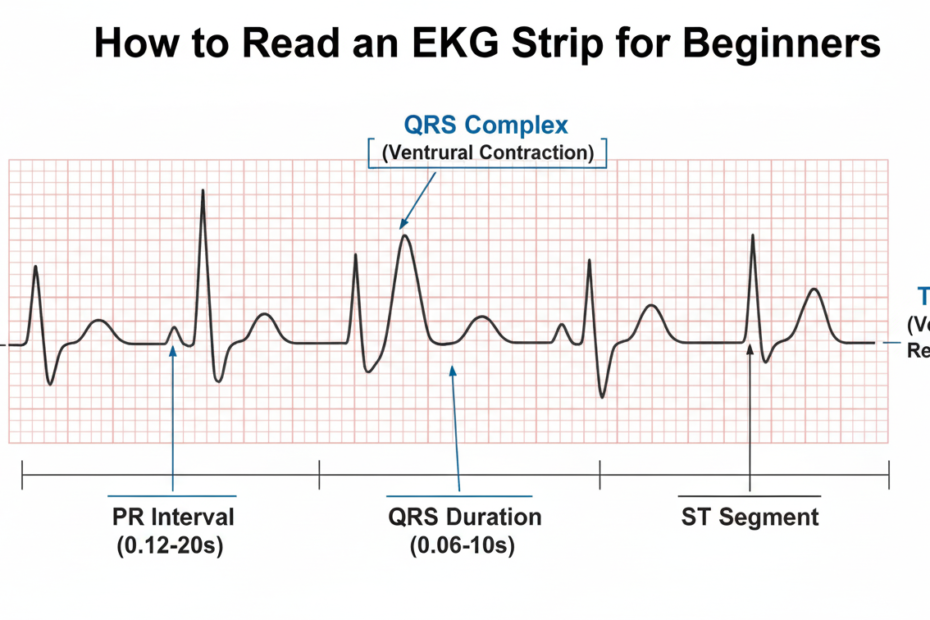
When the heart beats, it generates electrical impulses that travel through the heart muscle, causing it to contract and pump blood. The EKG machine captures these impulses and displays them on the strip. Each component of the EKG wave has a specific name and significance:
- P wave: Represents atrial depolarization (the contraction of the atria).
- QRS complex: Represents ventricular depolarization (the contraction of the ventricles).
- T wave: Indicates ventricular repolarization (the recovery phase of the ventricles).
By studying these waves and their intervals, you can gain insights into the heart’s rhythm and function. For instance, a prolonged QRS complex may indicate a blockage in the heart’s electrical pathway, while an irregular rhythm can signal an arrhythmia.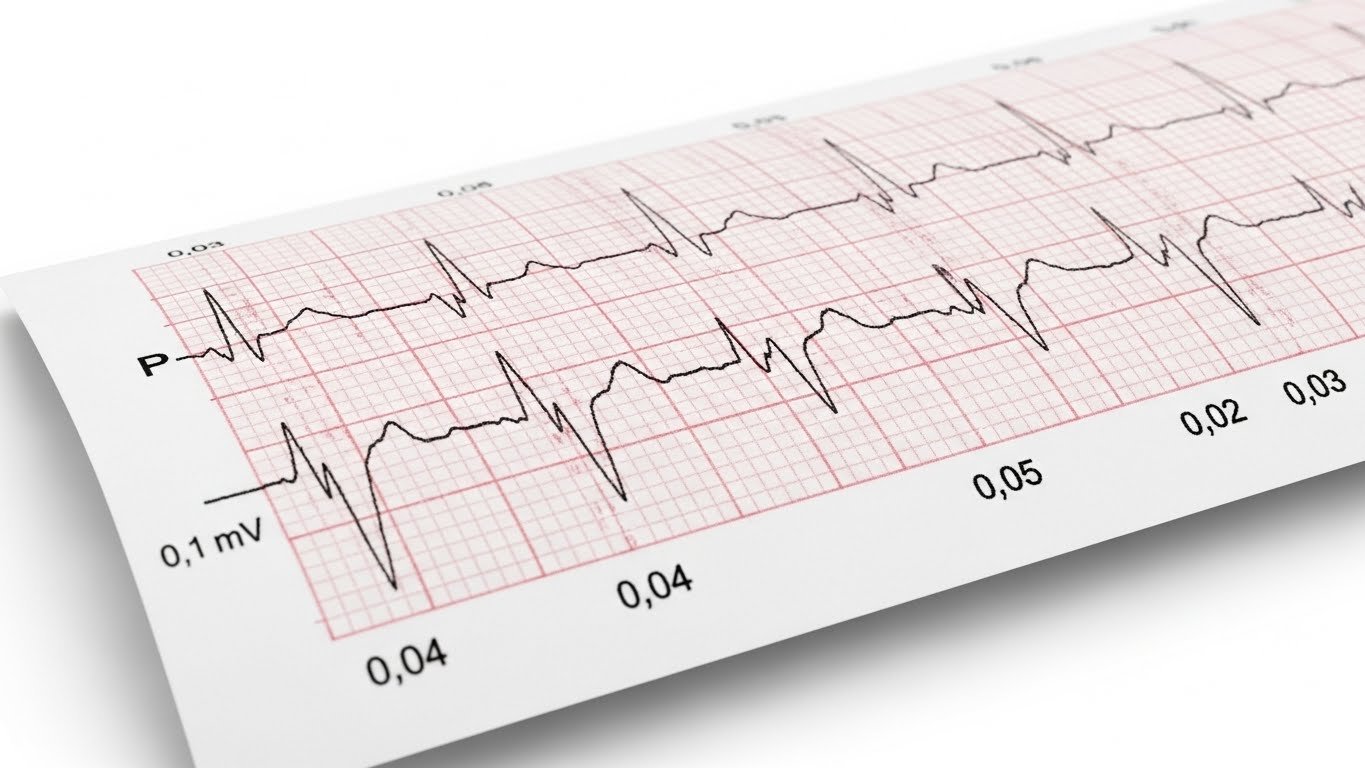
Interpreting EKG Strips
Interpreting an ekg strip might seem daunting, but once you understand the basic components, it becomes much more manageable. Here are a few steps to guide you through the interpretation process:
- Identify the P waves: Look for the presence of P waves. Each P wave should precede a QRS complex.
- Measure the intervals: Analyze the time intervals between the waves, especially the PR interval and QT interval. These measurements indicate how well the heart is functioning.
- Count the heart rate: You can calculate the heart rate by counting the number of QRS complexes in a specific time frame or using a formula based on the EKG paper speed.
- Look for abnormalities: Check for abnormal shapes, sizes, or intervals among the waves. Any deviations from normal patterns may suggest a potential heart problem.
For those new to reading EKG strips, it’s helpful to practice with sample strips. Many online resources offer practice strips with explanations of various conditions, making it easier to grasp the concepts.
Common EKG Strip Abnormalities
There are several common abnormalities you might encounter when examining an ekg strip. Recognizing these can be crucial for timely diagnosis and treatment. Here are a few key abnormalities to look out for: Understanding EKG Technician Salary: What Can You Expect?
- Arrhythmias: Irregular heartbeats can manifest in various forms, such as atrial fibrillation, ventricular tachycardia, or bradycardia.
- Myocardial Ischemia: This condition may show up as ST segment depression or T wave inversion, indicating the heart isn’t getting enough blood.
- Myocardial Infarction: An ST segment elevation can suggest a heart attack, requiring immediate medical attention.
Recognizing these abnormalities is essential for healthcare providers, as they can directly impact treatment decisions. If you spot any concerning signs on an EKG strip, it’s crucial to consult a healthcare professional for further evaluation.
The Role of EKG Strips in Diagnosis
EKG strips play a pivotal role in diagnosing various heart conditions. They’re often the first step in assessing a patient’s heart health, particularly during routine check-ups, emergency visits, or pre-operative assessments. Here’s why EKG strips are so critical:
First, they provide immediate information about the heart’s electrical activity. Changes in the waveform can signal issues that require urgent attention. For instance, a patient presenting with chest pain may undergo an EKG to rule out a heart attack. The quick availability of results can be lifesaving.
Second, EKG strips are non-invasive and relatively quick to perform. This makes them an ideal choice for initial assessments. They can be easily conducted in various settings, from hospitals to doctors’ offices, ensuring that patients receive timely evaluations.
Lastly, EKGs are essential for ongoing monitoring. For patients with known heart conditions, regular EKG testing can help track changes over time, allowing for adjustments in treatment plans as needed. This proactive approach can significantly improve patient outcomes.
How to Obtain an EKG Strip
Getting an ekg strip is a straightforward process that typically occurs in medical settings. Here’s a step-by-step guide on how it usually works:
- Consult with your healthcare provider: If you’re experiencing symptoms such as chest pain, shortness of breath, or palpitations, speak to your doctor about getting an EKG.
- Prepare for the test: You may need to remove any body jewelry and wear a hospital gown. Ensure the skin is clean for accurate electrode placement.
- Electrode placement: The technician will place electrodes on your chest, arms, and legs. These electrodes will detect the electrical signals from your heart.
- Record the EKG: The EKG machine will record the heart’s electrical activity for a few seconds, producing the EKG strip.
- Review results: After the test, a healthcare provider will analyze the EKG strip and discuss the findings with you.
It’s a quick and painless process, and the benefits of obtaining an EKG strip can be significant, especially if you have heart-related concerns.
Cost of EKG Tests and Insurance Coverage
The cost of obtaining an ekg strip can vary widely depending on several factors, including your location, the facility where the test is performed, and whether you have insurance. Generally, the cost of an EKG ranges from $50 to $200, but it can be higher in certain settings.
Most insurance plans cover EKG tests, especially if they’re deemed medically necessary. However, it’s essential to check with your insurance provider to confirm coverage and any potential out-of-pocket costs. If you’re uninsured, many hospitals and clinics offer sliding scale fees based on income, making EKGs more accessible to those in need. Everything You Need to Know About Becoming an EKG Technician
Staying Informed: EKG Resources and Tools
Staying informed about EKGs and heart health is crucial for both patients and healthcare professionals. Here are some resources and tools that can help:
- Online courses: Many platforms offer courses on EKG interpretation, perfect for beginners and experienced professionals alike.
- Mobile apps: There are mobile applications designed to help users learn how to read EKG strips, providing practice strips and quizzes.
- Books and guides: Numerous textbooks and guides delve into EKG interpretation, offering detailed explanations and illustrations.
- Professional organizations: Joining organizations like the American Heart Association can provide access to valuable resources, networking opportunities, and the latest research in cardiac care.
Utilizing these resources can enhance your understanding of EKG strips and improve your ability to interpret them accurately.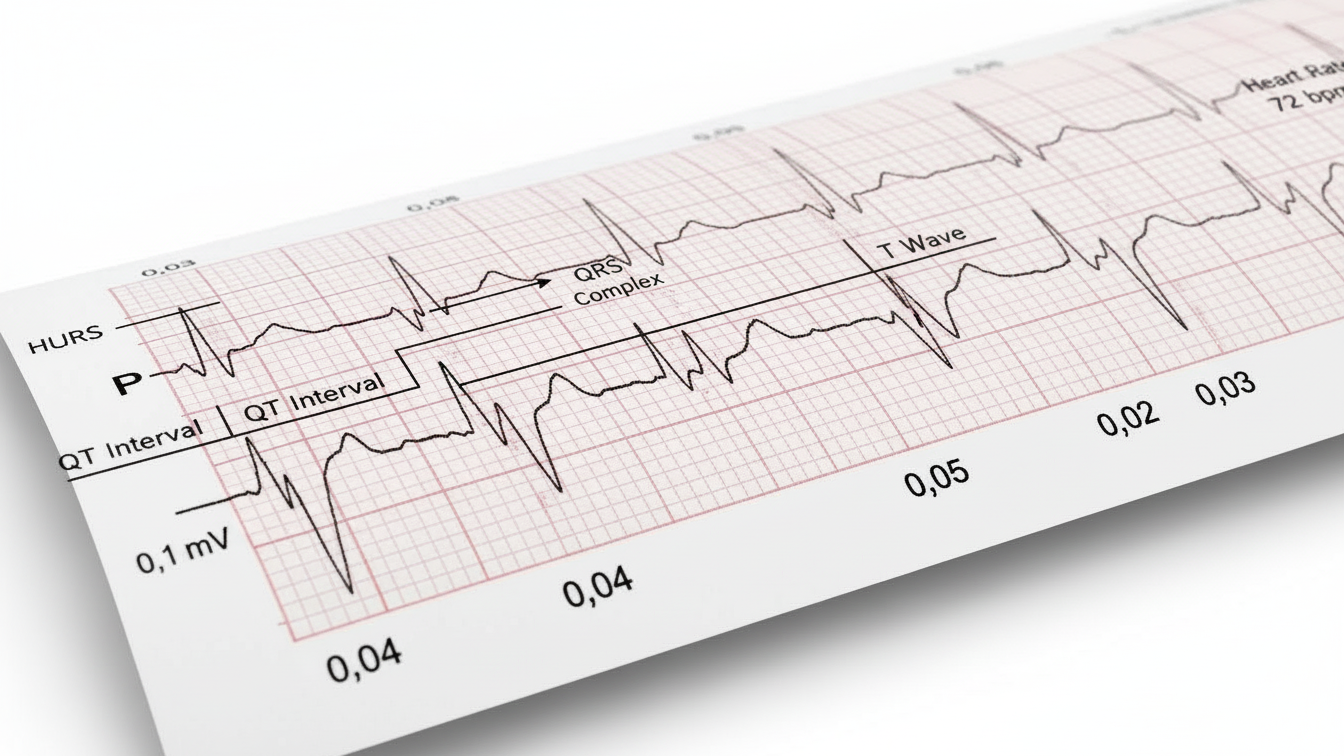
Conclusion
Understanding ekg strips is vital for anyone interested in heart health, whether you’re a patient, a healthcare professional, or simply curious about how the heart works. These strips provide crucial insights into the heart’s electrical activity, aiding in the diagnosis of various conditions. With the right knowledge and resources, anyone can learn to interpret these vital strips effectively.
As you’ve read, EKG strips encapsulate a wealth of information about heart health. By familiarizing yourself with their components, abnormalities, and implications, you empower yourself to take charge of your heart health. Remember, if you have any concerns about your heart, consult a healthcare professional. Knowledge is power, and in the case of heart health, it can be lifesaving.
FAQs
What does an EKG strip measure?
An EKG strip measures the electrical activity of the heart, showing how the heart beats and its rhythm.
How long does an EKG take?
The actual EKG test usually takes about 5-10 minutes, but you may spend additional time preparing and discussing results with your healthcare provider.
Are there any risks with getting an EKG?
There are no significant risks associated with an EKG. It’s a non-invasive and painless procedure.
How often should I get an EKG?
The frequency of EKGs depends on your health status. If you have heart conditions, your doctor may recommend regular testing.
Can I get an EKG at home?
Some devices allow you to perform EKGs at home, but it’s essential to have healthcare provider oversight for accurate interpretation.