
Understanding the Role of an EKG Technician
If you’ve ever wondered what does an EKG technician do daily, you’re not alone. This role is critical in the healthcare field, especially when it comes to diagnosing heart-related issues. An EKG technician, also known as an electrocardiogram technician, is responsible for conducting tests that measure the electrical activity of the heart. These tests provide essential data that helps physicians diagnose various cardiac conditions.
On a daily basis, EKG technicians are involved in patient care, technical operations, and data analysis. Their work not only involves operating sophisticated equipment but also requires a strong understanding of human anatomy and the ability to interpret complex data. They spend their days in hospitals, clinics, and sometimes even in patients’ homes, ensuring that the tests are done accurately and efficiently.
Daily Tasks of an EKG Technician
So, what does an EKG technician do daily? The day typically starts with preparing for patient examinations. This involves reviewing patient histories, setting up equipment, and ensuring that everything is functioning properly. The technician must create a comfortable environment for the patient, explaining the procedure in detail to alleviate any anxiety.
Once the patient is ready, the technician will place electrodes on the patient’s skin to monitor the heart’s electrical signals. This process is crucial for obtaining accurate results. After the test, the technician removes the electrodes and ensures patient comfort before moving on to the next step.
Following the tests, EKG technicians analyze the data collected. They must be skilled in reading EKG strips and identifying any abnormalities. This analysis is critical, as it directly affects the treatment course prescribed by the physician. Detailed reports are then generated, which are provided to the healthcare team for further evaluation.
Patient Interaction and Comfort
Patient interaction is a significant aspect of an EKG technician’s daily routine. Building rapport with patients is essential for ensuring they feel comfortable during the examination. Technicians often spend time explaining what the procedure entails, addressing any concerns, and answering questions. This not only helps in calming nervous patients but also improves the overall experience.
In one instance, I recall a particularly anxious patient who was nervous about the procedure due to a previous bad experience. I took a few extra minutes to explain each step of the process, even showing them the electrodes and how they worked. By the end of the session, the patient was not only relaxed but also appreciative of the care taken to ensure they understood the procedure. This moment highlighted how important it is to connect with patients, as it can significantly enhance their comfort level and willingness to cooperate.
In addition to communication, maintaining a sterile and professional environment is critical. This involves cleaning the equipment before and after use, ensuring that all protocols are followed to prevent any risks of infection or errors in the data collected.
Skills Required for EKG Technicians
To succeed in this role, EKG technicians must possess a unique set of skills. First and foremost, a strong understanding of cardiology is vital. Technicians need to know how to interpret EKG results, recognize normal and abnormal rhythms, and understand the implications of their findings.
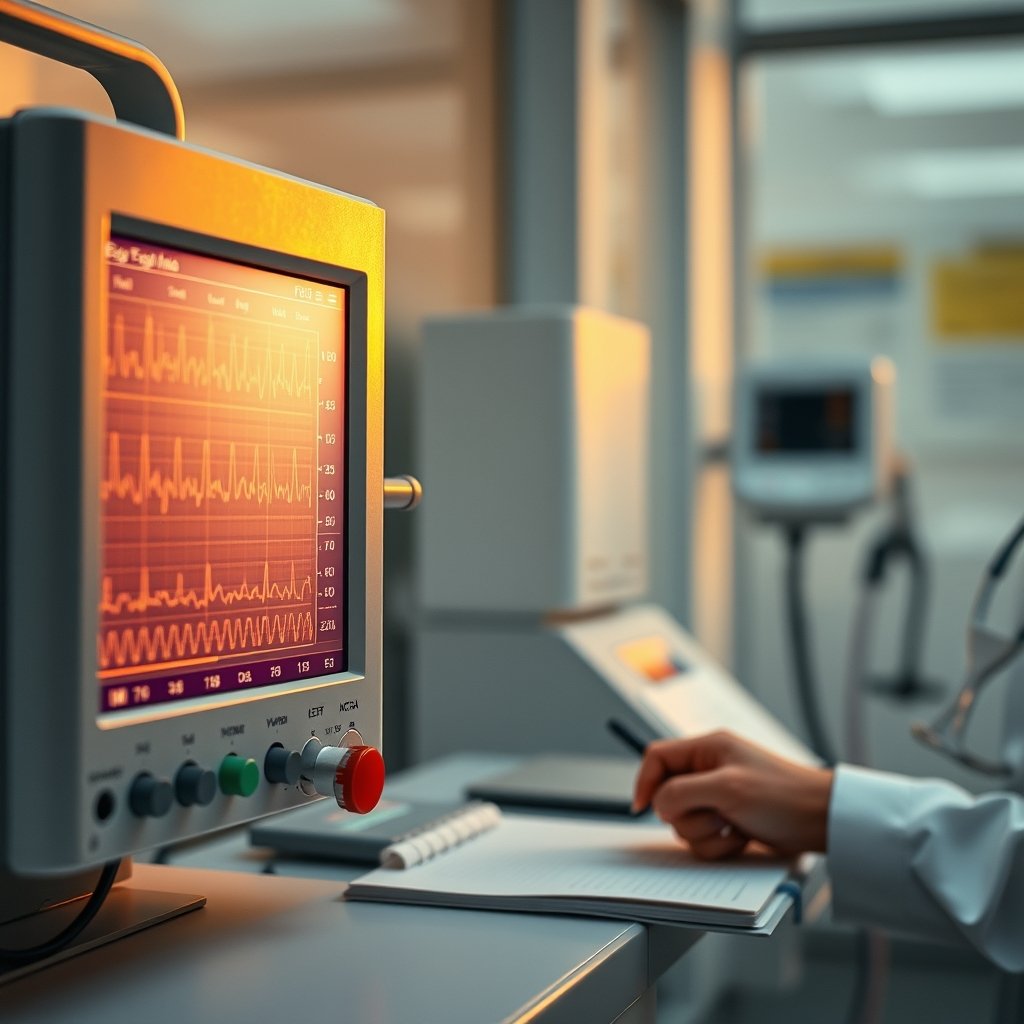
Technical skills are equally important. EKG technicians operate complex machines that require a certain level of technical proficiency. They must be comfortable with troubleshooting equipment and performing routine maintenance. Additionally, strong organizational skills are necessary for managing patient records and ensuring that all data is accurately documented and reported.
Consider the case of a technician who faced a malfunctioning EKG machine during a critical test. Instead of panicking, they quickly diagnosed the issue and implemented a workaround, ensuring the patient received the test without delay. This not only saved time but also demonstrated the importance of technical know-how in high-pressure situations. The Impact of Technology on EKG Testing: A Thorough Analysis
Communication and Teamwork
Effective communication is key in the healthcare environment. EKG technicians often work as part of a larger medical team, including doctors, nurses, and other healthcare professionals. Being able to convey information clearly and succinctly helps ensure that patients receive the best care possible. Teamwork plays a crucial role in the patient’s journey from diagnosis to treatment, making interpersonal skills indispensable.
For instance, a technician might need to communicate specific test results to a physician swiftly. If the technician has a strong understanding of the medical jargon and can relay the information accurately, it can lead to quicker decision-making in patient care. This synergy can be the difference between a timely intervention and a delayed response in critical situations.
Work Environment and Schedule
Most EKG technicians work in hospitals, outpatient clinics, or specialized cardiology offices. The work environment can be fast-paced, especially in a hospital setting where emergencies happen frequently. Technicians may also work irregular hours, including nights, weekends, and holidays, depending on their employer’s needs.
The demands of the job require technicians to be adaptable and ready to face various challenges. For instance, they may encounter patients of all ages and backgrounds, each with unique needs and concerns. This variety can make the job both rewarding and demanding. In one instance, working the night shift, I encountered a child needing an EKG. Despite the child’s fear, I managed to create a fun atmosphere, explaining the process as if we were playing a game. This not only made the child comfortable but also produced accurate test results.
Equipment Used by EKG Technicians
In terms of equipment, EKG technicians primarily use electrocardiogram machines, which record the electrical signals of the heart. These machines come equipped with various features that help technicians obtain clear and accurate readings. Additionally, they may use other monitoring devices, such as Holter monitors, which track heart activity over extended periods.
Staying updated with technological advancements is crucial. Modern EKG machines often include software that assists in analyzing data, making it easier for technicians to identify potential issues. Continuous education and training are essential to keep up with these changes and to ensure the highest quality of patient care. For example, I once attended a workshop on the latest advancements in EKG technology, which introduced new software that could highlight abnormalities in real time. Implementing this in my practice improved efficiency and accuracy.
Career Development Opportunities

As you explore what an EKG technician does daily, you may also be curious about career development opportunities in the field. Many technicians choose to pursue further education and certification, which can open doors to advanced roles. For example, specializing in cardiac sonography or electrophysiology can lead to higher salaries and more responsibilities.
Networking within the healthcare community is another way to enhance your career. Joining professional organizations, attending workshops, and participating in conferences can provide valuable insights and connections. These resources can help you stay informed about industry trends and job openings. I remember attending a national conference where I connected with other technicians and learned about emerging practices that I could implement in my workplace.
Continuing Education and Certification
Continuing education is a significant part of an EKG technician’s career. Many regions require ongoing training to maintain certification. This training often includes updating skills, learning about new technologies, and understanding changes in healthcare regulations.
Certification programs are available through various organizations, which can enhance job prospects and credibility. Completing a certification course not only demonstrates proficiency but also shows a commitment to professional growth. For instance, those who pursue advanced certification in specialized areas often find themselves in demand, with employers looking for technicians who can provide comprehensive care. Understanding EKG Certified Technician Salary: What You Need to Know
Challenges Faced by EKG Technicians
Every job comes with its challenges, and being an EKG technician is no different. One of the primary challenges is the emotional strain that can accompany working with patients who have serious health issues. It’s essential to remain compassionate and professional, even in difficult situations. I’ve had moments where patients received concerning news based on their EKG results. Being there to offer support while maintaining professionalism is a delicate balance.
Another challenge is the potential for high-stress situations, especially in emergency settings. Technicians must be able to perform under pressure and make quick decisions that can significantly impact patient outcomes. This requires not only technical skills but also mental resilience and the ability to stay focused amid chaos. I recall a day in the ER where multiple patients arrived simultaneously. The adrenaline was high, but we worked as a team to ensure each patient received the care they needed promptly.
Maintaining Work-Life Balance
Given the demanding nature of the job, maintaining a healthy work-life balance is crucial for EKG technicians. Setting boundaries, managing stress, and taking time for self-care are all important aspects. Engaging in hobbies, spending time with family, and practicing relaxation techniques can help mitigate burnout and maintain enthusiasm for the job. I’ve found that dedicating time to my family and pursuing hobbies like hiking has made a significant difference in my overall well-being, allowing me to return to work refreshed and ready to help my patients.
Conclusion

As you can see, understanding what does an EKG technician do daily reveals a multifaceted role that plays a vital part in the healthcare system. From patient interaction to technical operations, EKG technicians are at the forefront of cardiac care. With the right skills, dedication, and ongoing education, a career as an EKG technician can be both fulfilling and impactful.
FAQs
What qualifications do I need to become an EKG technician?
Typically, you’ll need a high school diploma or equivalent, followed by specialized training in EKG technology. Certification is often recommended.
How long does it take to complete EKG technician training?
Training programs generally take 6 to 12 months, depending on whether you choose a diploma or degree program.
What is the average salary of an EKG technician?
The average salary varies by location and experience but typically ranges from $35,000 to $55,000 annually. For a more detailed breakdown, check out our article on Understanding EKG Technician Salary.
Do EKG technicians work long hours?
Many EKG technicians work full-time, which can include nights, weekends, and holidays depending on the healthcare facility.
Is there a demand for EKG technicians?
Yes, with the increasing prevalence of heart disease, the demand for skilled EKG technicians continues to grow. For more information on job opportunities, visit Your Ultimate Guide to EKG Technician Jobs.