The Evolution of EKG Testing Technology
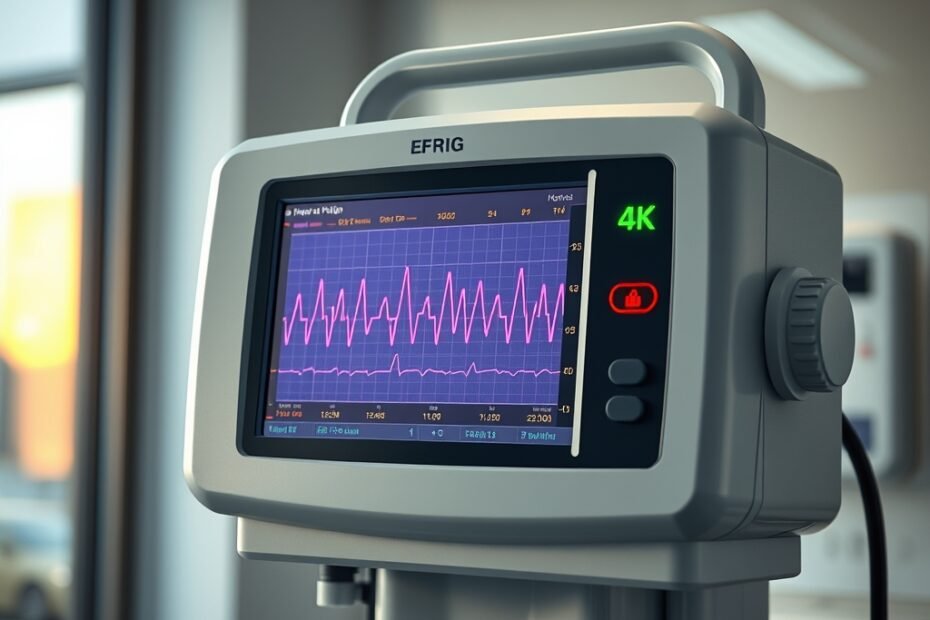
Electrocardiogram (EKG) testing has undergone significant transformations over the years, largely driven by advances in technology. Initially, EKG machines were bulky, requiring trained professionals to interpret the results manually. Fast forward to today, and we have portable, user-friendly devices that allow for quicker and easier access to cardiac health data. This evolution has not only improved the efficiency of EKG testing but has also made it more accessible to a wider population.
Modern EKG machines are equipped with features like wireless connectivity, allowing for real-time transmission of data to healthcare providers. Imagine being in an emergency room, and the doctor receives your EKG results even before you’ve finished your initial examination. This connectivity enables immediate analysis and decision-making, which is crucial during emergencies. Additionally, the integration of artificial intelligence (AI) into EKG systems enhances diagnostic accuracy, reducing the risk of human errors. With the growing prevalence of wearable technology, EKG testing is evolving beyond traditional settings, making it possible for patients to monitor their heart health from the comfort of their homes.
Key Technologies Transforming EKG Testing
Several key technologies are pivotal in redefining EKG testing. One of the most significant advancements is the transition to digital EKG systems. Unlike analog systems, digital EKGs provide higher resolution and more accurate readings. They are also equipped with software that can analyze heart rhythms and detect abnormalities much faster than manual methods. For example, a study conducted in a bustling urban hospital found that the switch to digital systems reduced the average time for EKG interpretation by over 50%. This means quicker responses to life-threatening conditions.
Moreover, telemedicine has revolutionized how EKG tests are conducted and interpreted. Patients can now send their EKG readings to physicians remotely, facilitating timely consultations without needing physical visits. This technology is particularly beneficial for rural populations or individuals with mobility issues. I remember speaking with a patient in a remote area who used a telemedicine app to share her EKG results with a cardiologist hundreds of miles away. She felt empowered and relieved to receive feedback so quickly.
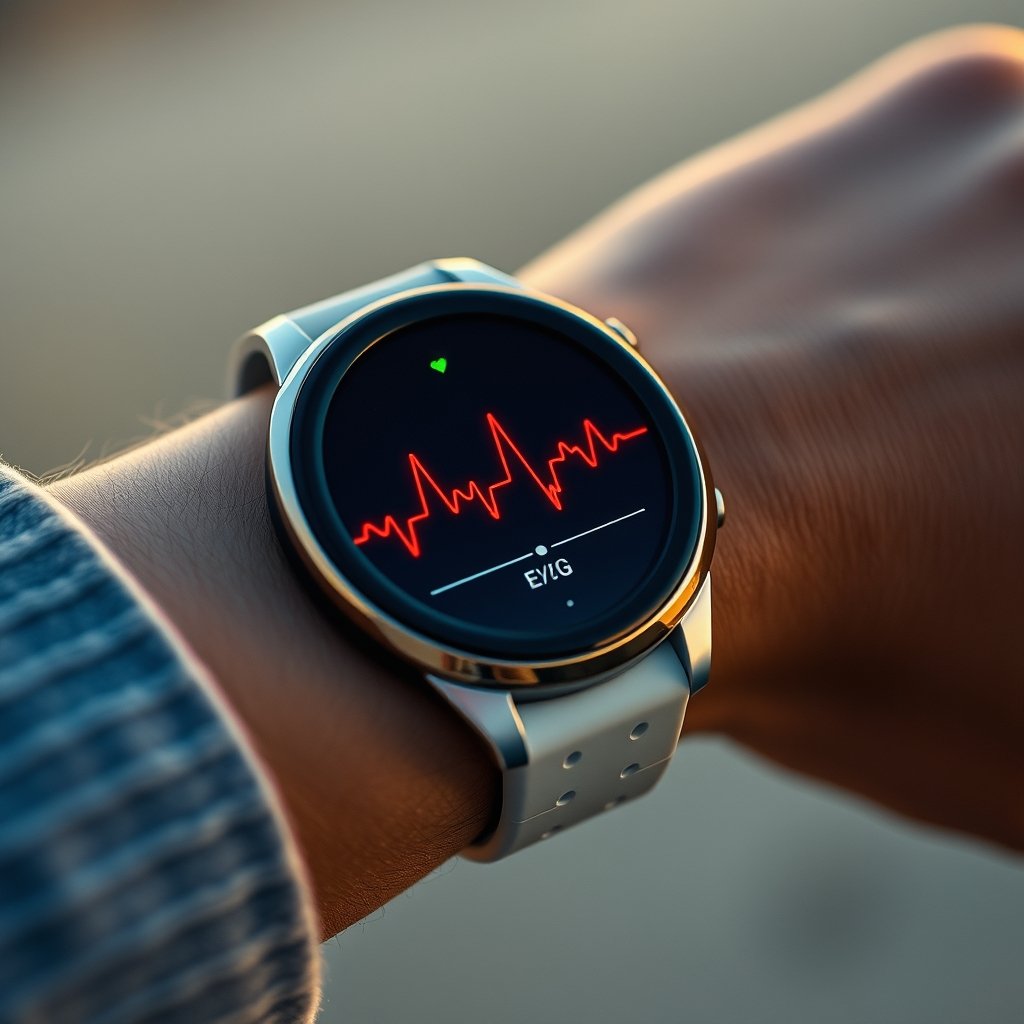
Another noteworthy advancement is the rise of smart devices and wearables that incorporate EKG capabilities. Devices like smartwatches can now perform EKG tests on demand, empowering users to take charge of their heart health. These innovations not only democratize access to heart health monitoring but also encourage proactive management of cardiovascular conditions. For instance, a user might notice irregular heartbeats on their smartwatch and seek medical care sooner than they would have without this technology.
The Role of Artificial Intelligence in EKG Testing
Artificial intelligence (AI) plays a transformative role in enhancing the reliability of EKG testing. AI algorithms are trained to recognize patterns in EKG data that may be indicative of various cardiac conditions. This capability significantly reduces the time healthcare professionals spend analyzing data and increases the accuracy of diagnoses. In one case study, a hospital implemented an AI-driven EKG analysis tool that improved diagnostic accuracy for atrial fibrillation by nearly 30% within the first three months.
For instance, AI can help identify arrhythmias, ischemic changes, and other abnormalities with a high degree of precision. By using machine learning, the technology continuously improves as it processes more data, making it a valuable tool in clinical settings. This not only aids in diagnosis but also assists in deciding the best course of treatment, tailored to the individual patient. Imagine a situation where a patient’s EKG results are flagged by an AI system, prompting a cardiologist to intervene early and prevent a potential heart attack.
Benefits of Technology-Enhanced EKG Testing
The impact of technology on EKG testing is profound, bringing multiple benefits that enhance patient care and diagnostics. One of the primary advantages is the speed at which results can be obtained. With advanced software and connectivity, healthcare providers can receive EKG readings almost instantly, facilitating prompt decision-making. This immediacy can be life-saving; for example, in emergency situations where every second counts, having instant access to accurate EKG data can make all the difference.
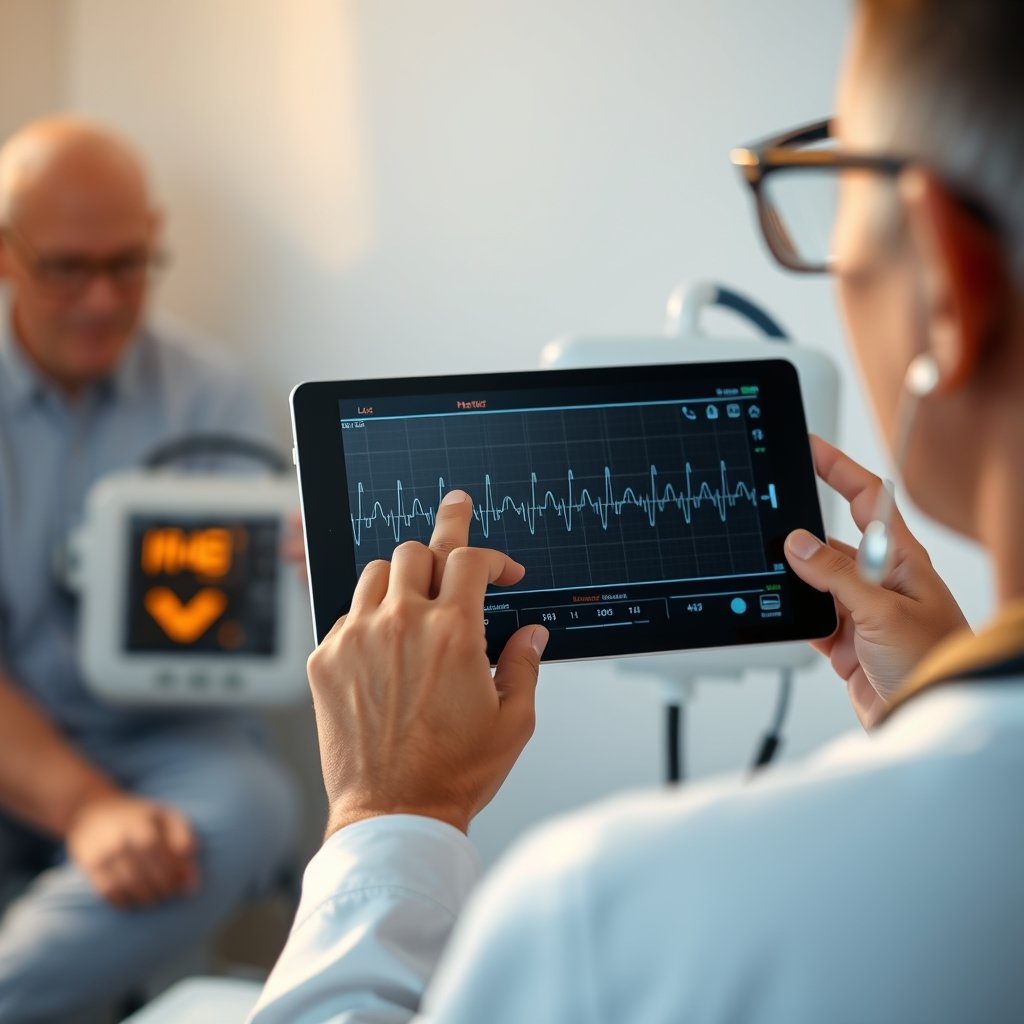
Moreover, the accuracy of readings has notably improved due to better sensors and AI-driven analysis. This heightened accuracy translates to better treatment outcomes, as patients are more likely to receive the correct interventions based on precise data. A notable case occurred when a patient with a previously undiagnosed heart condition received an accurate reading through a new digital EKG machine, allowing doctors to implement a treatment plan that likely saved his life. Understanding EKG Certified Technician Salary: What You Need to Know
Accessibility is another significant benefit. With portable devices and mobile applications, patients can undergo EKG tests without needing to visit a hospital or clinic, making it easier for those in remote areas or with limited access to healthcare facilities. This technology ensures that more individuals can monitor their heart health regularly, potentially catching issues before they escalate. Consider the story of an elderly woman living in a rural community who used a portable EKG device to monitor her heart. When she noticed irregularities, she promptly contacted her doctor, leading to early intervention that improved her health outcomes.
Challenges and Limitations of Technology in EKG Testing
Despite the remarkable advancements, the impact of technology on EKG testing does come with its challenges. One concern is the reliance on technology, which can lead to overconfidence among providers. While AI can assist in diagnostics, it’s crucial for healthcare professionals to apply their skills and experience to interpret results effectively. For instance, during a training session at a local hospital, a nurse shared how a junior doctor relied solely on AI results without considering the patient’s overall clinical picture, leading to a misdiagnosis.
Moreover, data security is a pressing issue in the age of telemedicine and digital health records. Ensuring patient data is protected from breaches is paramount, as sensitive health information is often transmitted over the internet. Healthcare providers must implement robust security measures to safeguard patient data while leveraging technology. A breach at a healthcare facility can not only jeopardize patient trust but can also lead to legal and financial repercussions.
Future Trends in EKG Technology
The future of EKG testing is promising, with several trends emerging that are likely to shape its trajectory. One such trend is the increasing integration of wearable technology. As smartwatches and fitness trackers continue to evolve, they are expected to provide even more sophisticated EKG capabilities, making heart monitoring a part of everyday health management. Imagine a future where your smartwatch can not only alert you of irregular heartbeats but also suggest lifestyle changes based on your heart data.
Another trend is the ongoing development of AI applications in EKG analysis. As machine learning algorithms become more sophisticated, their ability to detect subtle abnormalities will improve, leading to earlier diagnosis and intervention. Moreover, the integration of EKG data with other health metrics collected by wearables will provide a more comprehensive view of a patient’s cardiovascular health. Picture a scenario where your doctor can view your heart rate, activity levels, and even stress indicators in one comprehensive report, allowing for a more tailored approach to your health.
How Technology Influences EKG Training and Certification
As technology evolves, so does the training and certification process for EKG technicians. Educational programs are increasingly emphasizing the importance of understanding digital tools and software used in EKG testing. Technicians now need to be adept at using advanced machines and interpreting complex data sets generated by AI algorithms. In a recent workshop I attended, industry experts outlined how the curriculum has shifted to include hands-on training with the latest EKG technologies, ensuring future technicians are prepared for the rapidly changing landscape of healthcare.
The shift towards technology-driven training ensures that EKG technicians are well-equipped to handle modern equipment and can provide high-quality care to patients. Institutions are integrating simulation-based learning to help students gain hands-on experience with the latest EKG technology, preparing them for the demands of the job market. This proactive approach not only enhances their skill sets but also boosts their confidence when they enter the workforce.
Patient Experience and EKG Testing in a Tech-Driven World
Technology has significantly enhanced the patient experience during EKG testing. Modern devices are designed to be more user-friendly, minimizing discomfort and anxiety often associated with medical procedures. Patients can receive clearer instructions and feedback in real-time, which helps to ease their concerns. I recall a patient who was apprehensive about her first EKG test. Thanks to a modern device that displayed instructions and reassured her throughout the process, she left feeling empowered rather than anxious. Your Ultimate Guide to EKG Technician Jobs: Opportunities, Requirements, and More
Additionally, the ability to access test results quickly allows patients to engage more actively in their healthcare journey. This transparency fosters a sense of empowerment as patients can track their heart health and discuss findings with their healthcare providers more knowledgeably. When patients feel informed, they are more likely to adhere to treatment plans and make lifestyle changes that benefit their cardiovascular health.
Cost Implications of Advanced EKG Technologies
While the impact of technology on EKG testing has many benefits, it also raises questions about cost implications. Advanced EKG machines and AI software can be expensive to implement and maintain. Healthcare facilities must weigh the benefits of investing in cutting-edge technology against their budget constraints. For instance, a small clinic may struggle to justify the cost of a new digital EKG machine compared to their existing analog system.
However, it’s vital to consider the long-term savings associated with these technologies. Improved diagnostics can lead to more effective treatments, reducing the need for costly interventions later. Furthermore, the ability to conduct EKG tests in outpatient settings can decrease overall healthcare costs as patients avoid lengthy hospital stays. A community hospital that adopted digital EKG systems reported a 25% reduction in readmissions due to timely and accurate diagnostics.
Conclusion: Embracing the Future of EKG Testing
The impact of technology on EKG testing is undeniable, presenting both exciting opportunities and challenges. As technology continues to advance, it’s essential for healthcare professionals to embrace these innovations while ensuring patient safety and data security. The future of EKG testing is bright, promising more accurate diagnostics and improved patient outcomes. The key lies in striking a balance between leveraging technology and maintaining the human touch in patient care.
FAQs
What is the primary function of EKG testing?
EKG testing measures the electrical activity of the heart to identify abnormalities in heart rhythm and function.
How does technology improve EKG accuracy?
Advanced sensors and AI algorithms enhance the precision of readings, reducing the chances of misinterpretation.
Can I have an EKG test done at home?
Yes, portable EKG devices and smartwatches allow you to conduct tests at home and share results with healthcare providers remotely.
What training do EKG technicians need in a tech-driven environment?
EKG technicians need training in digital tools, machine operation, and data interpretation, focusing on the latest technologies.
Are there risks associated with remote EKG testing?
While convenient, risks include potential data breaches and reliance on technology over professional judgment in interpreting results.