
Understanding the Role of an EKG Technician
Have you ever wondered what it takes to become an EKG technician? This role is crucial in the healthcare system, acting as the bridge between patients and physicians. EKG technicians, also known as electrocardiogram technicians, are responsible for performing tests that monitor the heart’s electrical activity. These tests help in diagnosing various heart conditions, making the technician’s role vital in patient care.
As an EKG technician, you’ll find yourself working in various settings, including hospitals, clinics, and diagnostic laboratories. Your expertise will not only be in operating EKG machines but also in ensuring patient comfort and safety during the testing process. This overview will guide you through the essential EKG technician job responsibilities, providing insights into what you can expect if you pursue this rewarding career.
Core Responsibilities of an EKG Technician
The primary responsibilities of an EKG technician encompass a wide range of tasks. Understanding these responsibilities not only prepares you for the job but also helps you excel in your role. Below are some core duties you’ll typically perform:
- Preparing Patients for Procedures: Before conducting any tests, you’ll need to prepare patients. This involves explaining the procedure, answering any questions, and ensuring they are comfortable. A calm patient is more likely to provide accurate test results. For instance, I remember a time when I encountered a particularly anxious patient. By taking a few moments to explain the procedure in detail and addressing her concerns, I noticed a significant improvement in her demeanor, which helped in obtaining clearer EKG readings.
- Setting Up EKG Equipment: You’ll be responsible for the technical setup of EKG machines. This includes calibrating the machine, ensuring it’s functioning correctly, and attaching electrodes to the patient’s skin. I recall a day when I had to troubleshoot a malfunctioning machine right before a busy schedule. By staying calm and following the proper protocols, I was able to fix the issue quickly, ensuring the day continued smoothly.
- Performing EKG Tests: The main job is to conduct EKG tests by placing electrodes on the patient’s chest and limbs. You’ll monitor the readouts, ensuring the machine captures accurate heart activity data. During one memorable shift, I had an elderly gentleman who was hesitant about the procedure. With some gentle persuasion and reassurance, he allowed me to proceed, and the results revealed a previously undiagnosed condition, highlighting the importance of our work.
- Interpreting Results: While you may not diagnose conditions, you will often be involved in reviewing the results with physicians. Understanding what the readings indicate is crucial. For example, during a team meeting, I was able to suggest a follow-up based on a series of abnormal results I observed, which ultimately led to a more thorough investigation by the physician.
- Maintaining Equipment: Keeping the EKG machines in good working order is essential. This includes routine checks and troubleshooting any issues that arise during tests. The importance of this was clear when I discovered that regular maintenance prevented a major breakdown during peak hours in the clinic.
- Documenting Patient Information: Accurate record-keeping is vital. You’ll document patient history, the procedure performed, and any abnormal findings in their medical records. I once had to compile a report for a patient with a complex history, and the details I gathered helped the healthcare team devise a more effective treatment plan.
These responsibilities lay the groundwork for your daily activities as an EKG technician. Each task plays a vital role in ensuring that patients receive the best possible care.
Patient Interaction and Communication Skills
One of the critical aspects of the EKG technician job responsibilities is interacting with patients. Your ability to communicate effectively can influence the testing process significantly. Patients may be anxious about undergoing tests, so it’s essential to provide reassurance and clarity.
Effective communication involves more than just speaking. You’ll need to listen actively to patients’ concerns and respond with empathy and understanding. This not only helps in calming their nerves but also fosters trust. Many patients may have questions about what to expect during the EKG test. Being prepared to answer these questions can make the experience less intimidating for them.
Building Rapport with Patients
Building rapport is crucial in any healthcare setting. As an EKG technician, you may be one of the first healthcare professionals a patient interacts with. Establishing a good relationship can lead to more cooperative patients, which in turn yields better results. Simple gestures, such as introducing yourself, maintaining eye contact, and using a friendly tone can go a long way in creating a positive environment. I often share a little about myself or ask about their day to create a more relaxed atmosphere.
Handling Patient Data Confidentially
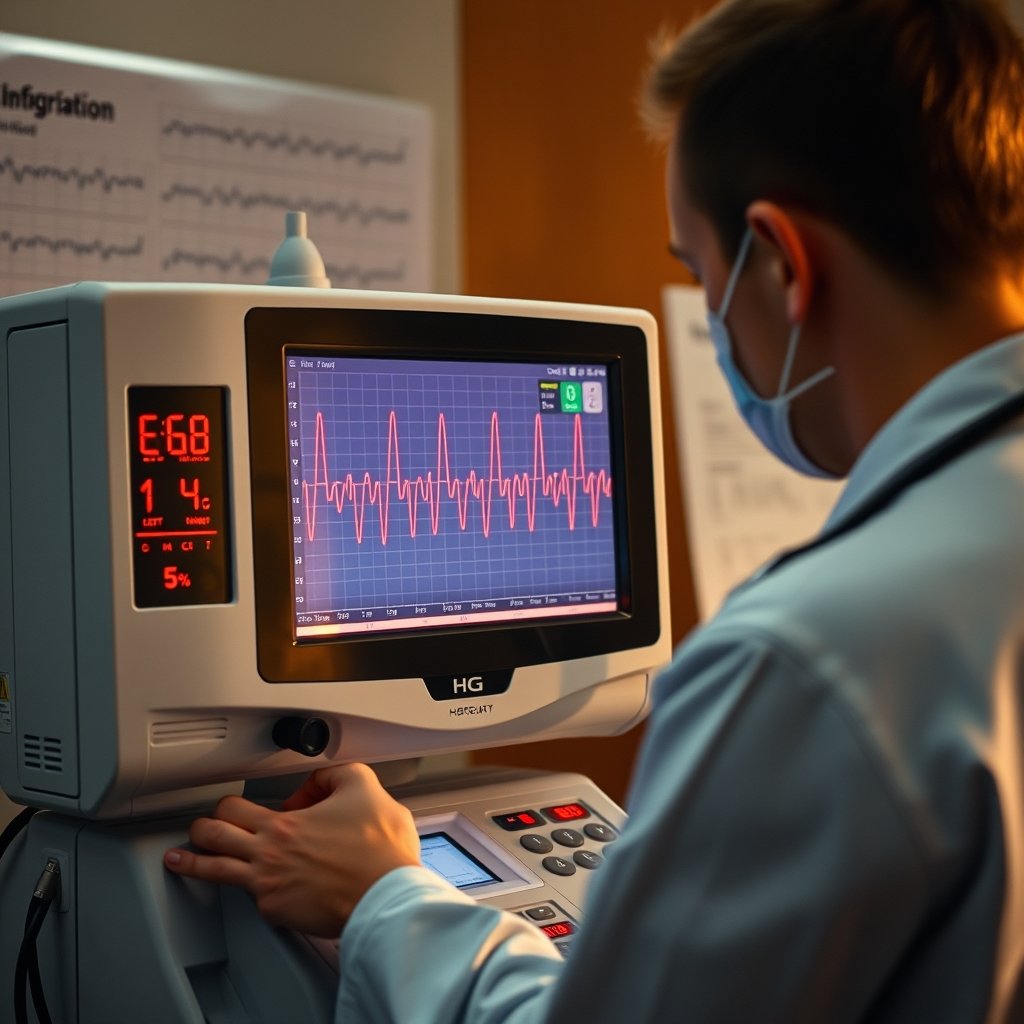
Another significant responsibility is managing patient data. As you collect sensitive information, ensuring confidentiality is paramount. You’ll often work with electronic health records (EHR), and it’s essential to follow HIPAA regulations strictly. This means not sharing patient information without consent and ensuring digital records are secure. I’ve had instances where patients were concerned about their privacy, and taking the time to explain the measures in place has helped build their trust.
Technical Skills Required for EKG Technicians
In addition to patient interaction, EKG technicians must possess strong technical skills. Understanding how to operate complex machinery is a significant part of the job. Here are some essential technical skills you’ll need: Discover the Amazing EKG Technician Job Benefits
- Machine Operation: Familiarity with EKG machines is crucial. You’ll need to know how to set them up, perform troubleshooting, and understand their functions to capture accurate data. I remember the first time I had to train a new colleague on the intricacies of the machine. It was a great opportunity to reinforce my own knowledge while helping someone else.
- Data Interpretation: While EKG technicians don’t diagnose conditions, understanding how to read and interpret EKG results is essential. You should be able to recognize normal versus abnormal readings. During my training, I learned to identify patterns, and this skill has proven invaluable in my day-to-day work.
- Software Proficiency: Many EKG machines connect to software that analyzes the data collected. Being adept at using this software is necessary for documenting results and generating reports. I once had to navigate a new software update during a busy shift, which tested my adaptability but ultimately improved our workflow.
- Maintenance Skills: Regular maintenance of EKG equipment is vital. Knowing how to clean, calibrate, and troubleshoot machines can prevent downtime and ensure reliable testing. I’ve often been praised for my attention to detail in maintaining equipment, which has contributed to our department’s efficiency.
Mastering these technical skills will not only enhance your performance but will also instill confidence in the healthcare team and patients alike.
Safety Protocols and Patient Care Standards
Safety protocols are a critical part of the EKG technician job responsibilities. You’ll need to be well-versed in safety standards to protect both yourself and your patients. This includes understanding how to handle equipment safely and knowing how to respond in case of an emergency.
When preparing patients for EKG tests, it’s essential to ensure their safety. This includes checking for allergies to electrodes or conductive gel and confirming that they don’t have any contraindications for the test. Making sure the area is clean and organized can also prevent accidents. I always double-check the setup before starting, as once I caught a potential safety issue that could have caused discomfort to the patient.
Emergency Preparedness
Part of your training will likely include emergency preparedness. Understanding how to respond quickly and effectively in case of a patient emergency is critical. You may be the first to notice changes in a patient’s condition during testing, so knowing how to react can save lives. Being trained in CPR and first aid is often a requirement. I remember attending a workshop on emergency response, which was eye-opening and made me more confident in handling unexpected situations.
Adhering to Infection Control Guidelines
Infection control is another essential aspect of your role. You’ll need to follow strict protocols to prevent the spread of infections. This includes sterilizing equipment, using disposable materials when necessary, and following hand hygiene practices. Keeping a clean workspace not only protects patients but also enhances your professionalism. I take pride in my workspace organization, as I believe it reflects my commitment to patient care.

Collaboration with Healthcare Professionals
As an EKG technician, you’re part of a broader healthcare team. Collaboration is vital for providing the best patient care. You’ll often work closely with physicians, nurses, and other healthcare professionals. Understanding your role within this team is crucial.
Effective communication with team members can lead to better patient outcomes. If you notice any abnormalities in EKG readings, it’s your responsibility to report these findings promptly. This collaboration ensures that patients receive timely diagnoses and treatment plans. I’ve had moments where quick communication about an abnormal reading helped the physician prioritize a patient’s care, demonstrating the importance of teamwork.
Participating in Patient Care Discussions
In many cases, you might participate in patient care discussions. Sharing your observations and insights can help the team make informed decisions about patient care. Your input is valuable, and being an active participant in these discussions will enhance your professional growth. I’ve found that being involved in these discussions not only improves patient outcomes but also deepens my understanding of the overall care process. What Does an EKG Technician Do Daily? A Comprehensive Guide
Continuing Education and Professional Development
Healthcare is constantly evolving, and staying updated with the latest advancements is essential. Engaging in continuing education opportunities, such as workshops or online courses, can enhance your skills and knowledge. This commitment to learning not only benefits you but also improves patient care and safety. I regularly attend conferences focused on EKG technology advancements and have found them to be invaluable networking opportunities as well.
Conclusion: Embracing the EKG Technician Role
Embarking on a career as an EKG technician is both rewarding and challenging. Understanding the EKG technician job responsibilities is essential for success. From patient interaction to technical skills and safety protocols, each aspect of the role contributes to the overall healthcare experience.
As you step into this role, remember that your work is vital in diagnosing and monitoring heart conditions. Embrace the challenges, continue learning, and take pride in the difference you make in your patients’ lives. If you want to dive deeper into what daily life looks like for an EKG technician, check out our article on What Does an EKG Technician Do Daily? A Comprehensive Guide.

FAQs
What does an EKG technician do daily?
An EKG technician performs tests to monitor patients’ heart activity, prepares patients for procedures, operates EKG machines, and documents results.
What skills are necessary for an EKG technician?
Key skills include technical proficiency with EKG machines, effective communication with patients, data interpretation, and adherence to safety protocols.
How long does it take to become an EKG technician?
Typically, it takes about six months to a year to complete the necessary training and certification to become an EKG technician.
What are the job prospects for EKG technicians?
Job prospects for EKG technicians are promising, as the demand for healthcare services continues to rise, especially in cardiology. For more insight into job opportunities and requirements, read our Your Ultimate Guide to EKG Technician Jobs: Opportunities, Requirements, and More.
Are there certification requirements for EKG technicians?
Yes, certification is often required or preferred, and it usually involves passing an exam after completing a training program.