Understanding the Basics of EKG Rhythms
To effectively analyze EKG rhythms, you need to start with a solid understanding of what an electrocardiogram (EKG) is. An EKG is a graphical representation of the electrical activity of the heart over time. It provides critical insights into heart health, helping to identify various cardiac abnormalities. Each heartbeat generates electrical impulses that trigger heart muscle contraction, and these impulses are captured by the EKG.
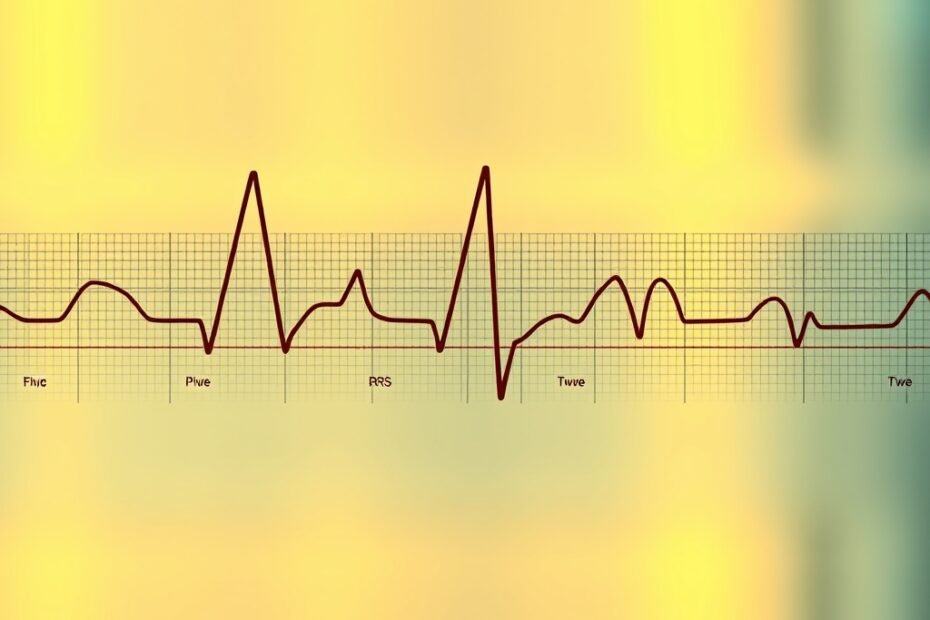
When you look at an EKG strip, you’ll notice a pattern that repeats with each heartbeat. This pattern consists of waves, segments, and intervals that reflect the different phases of the cardiac cycle. The main components of an EKG strip include the P wave, QRS complex, and T wave. Understanding what these components signify is essential for accurate analysis.
Components of an EKG Strip
Every element of an EKG strip plays a vital role in interpretation. The P wave represents atrial depolarization, which is the electrical impulse that prompts the atria to contract. Following this is the QRS complex, which signifies ventricular depolarization. This complex is crucial because it indicates the heart’s main pumping action. Finally, the T wave represents ventricular repolarization, the recovery phase of the ventricles after contracting. Understanding these components is the first step in learning how to analyze EKG rhythms.
Each component varies in shape, duration, and amplitude, and deviations can suggest different cardiac conditions. For instance, a prolonged QRS complex may indicate a bundle branch block, while a flat or inverted T wave can signal ischemia or other issues. It’s crucial to have a keen eye for these variations while you analyze the EKG rhythms.
Steps to Analyze EKG Rhythms
Analyzing EKG rhythms can seem daunting at first, but breaking it down into steps makes the process manageable. Here’s a simple, systematic approach:
- Identify the Rhythm: Determine if the rhythm is regular or irregular. A regular rhythm has consistent intervals between beats, while an irregular rhythm varies.
- Measure the Heart Rate: Count the number of beats in a specific time frame. For a quick estimate, you can count the number of R waves in a 6-second strip and multiply by 10.
- Assess the P Waves: Check for the presence of P waves before each QRS complex. This will help you determine if the rhythm is atrial or junctional.
- Measure the PR Interval: This interval should be consistent. A normal PR interval ranges from 120 to 200 milliseconds.
- Analyze the QRS Complex: Measure its duration, which should be less than 120 milliseconds. A wider QRS could indicate a ventricular rhythm.
- Evaluate the T Waves: Look for abnormalities in the T wave’s shape or direction, which can indicate potential issues.
Following these steps will help you gain clarity and confidence in your EKG analysis skills.
Common EKG Rhythms and Their Characteristics
As you learn how to analyze EKG rhythms, it’s essential to familiarize yourself with common rhythms you might encounter:
- Normal Sinus Rhythm: Characterized by a regular rhythm, consistent heart rate of 60-100 bpm, and normal P waves.
- Atrial Fibrillation: An irregularly irregular rhythm with no identifiable P waves. The heart rate can vary.
- Ventricular Tachycardia: Presents as a rapid rhythm of 100-250 bpm with wide QRS complexes. This is a potentially life-threatening condition.
- Bradycardia: Defined as a heart rate of less than 60 bpm, with a regular rhythm and identifiable P waves.
Understanding these common rhythms allows you to quickly identify abnormalities and take appropriate actions. Discover the Amazing EKG Technician Job Benefits
Identifying EKG Abnormalities
Once you grasp the basic rhythms, it’s crucial to know how to spot abnormalities. Some common signs include:
- ST Elevation: This can indicate acute myocardial infarction (heart attack) and should be addressed immediately.
- Q Waves: Pathological Q waves can suggest previous myocardial infarction.
- Prolonged QT Interval: A QT interval longer than 440 milliseconds can increase the risk of life-threatening arrhythmias.
Being able to recognize these abnormalities will enhance your ability to respond appropriately in emergency situations.
The Role of Technology in EKG Analysis
With advancements in technology, analyzing EKG rhythms has become more efficient. Digital EKG machines can automatically analyze rhythms and alert clinicians to potential issues. However, while technology aids in diagnosis, it’s vital to remember that human interpretation is still crucial. You can’t solely rely on machines; understanding the fundamentals allows you to make informed decisions.
Moreover, telemedicine and remote monitoring have expanded the ability to analyze EKG rhythms from anywhere. Patients can wear portable EKG monitors that transmit data to healthcare providers in real time, allowing for immediate assessment and intervention when necessary. This is particularly beneficial for patients with chronic conditions who require consistent monitoring.
Practical Tips for Efficient EKG Analysis

Here are some practical tips to help streamline your EKG analysis process:
- Practice Regularly: The more you analyze EKG strips, the more familiar you’ll become with patterns and abnormalities.
- Use Mnemonics: Create memory aids to recall the steps in EKG analysis. For instance, “Rate, Rhythm, P waves, PR interval, QRS duration, T waves” (RRPQRT) can help.
- Stay Updated: EKG interpretation guidelines evolve, so ensure you’re up-to-date with current practices and research.
By incorporating these tips, you’ll be better prepared to analyze EKG rhythms confidently and accurately.
Resources for Learning More About EKG Analysis
As you continue your journey to master how to analyze EKG rhythms, utilize various resources. Online courses, textbooks, and peer-reviewed journals can provide in-depth knowledge and practical application. Here are a few recommended resources: What Does an EKG Technician Do Daily? A Comprehensive Guide
- Books: Titles like “Rapid Interpretation of EKG’s” by Dale Dubin offer foundational knowledge.
- Online Courses: Websites like Medscape and Coursera provide comprehensive EKG interpretation courses.
- Professional Organizations: Joining groups like the American Heart Association can offer access to workshops and seminars.
Leveraging these resources will enhance your skills and confidence in analyzing EKG rhythms.
Conclusion
Analyzing EKG rhythms is a critical skill for healthcare professionals. With practice and knowledge of the fundamental components, you can accurately interpret EKG strips and identify potential issues. By following structured steps and utilizing available resources, you can master the art of EKG analysis.
FAQs
What is the normal heart rate on an EKG?
The normal heart rate on an EKG typically ranges from 60 to 100 beats per minute.
How do I know if my EKG is abnormal?
Look for irregular rhythms, abnormal wave shapes, or prolonged intervals, which could indicate an underlying issue.
Can stress affect EKG readings?
Yes, stress can cause changes in heart rhythms, which may be reflected in EKG readings.
How often should EKGs be performed?
The frequency of EKGs depends on individual health status and risk factors, but they are generally recommended during routine check-ups for those with heart conditions.
Is it necessary to interpret EKGs in real-time?
Yes, real-time interpretation can be crucial in emergency situations, allowing for immediate action if abnormalities are detected.