
Understanding the Role of an EKG Technician
Every day, EKG technicians play a crucial role in the healthcare system, ensuring that patients receive accurate cardiac assessments. But what does the typical EKG technician work environment look like? To answer this question, let’s first dive into what EKG technicians do and where they do it. These professionals are responsible for performing electrocardiograms, which are essential for diagnosing heart conditions. They work with various equipment and technology, requiring a clear understanding of both anatomy and the machines involved in the process.
Typically, EKG technicians work in hospitals, clinics, and outpatient care facilities. Their work environment can vary widely depending on the facility’s size and structure. For example, in a larger hospital, you might find EKG technicians working in a dedicated cardiology department, whereas in smaller clinics, they might handle multiple roles, including patient intake and administrative tasks. Understanding the nuances of these environments can help aspiring technicians make informed career choices.
Physical Aspects of the Work Environment
The physical layout of the typical EKG technician work environment is designed to facilitate patient care and efficient workflow. In hospitals, EKG rooms are typically equipped with multiple machines, patient monitors, and storage for medical supplies. The rooms are often spacious enough to accommodate several patients at once, allowing for quick transitions between tests. This setup is vital because EKGs can be performed on patients in various states, including those who are critically ill.
For instance, during my time at a bustling urban hospital, I often worked in a room equipped with four EKG machines. Each machine had a dedicated monitor, and the walls were lined with cabinets stocked with electrodes, medical charts, and emergency supplies. The layout was intentional; it allowed for smooth patient flow. If one patient needed immediate attention, we could swiftly pivot to another machine without losing momentum.
In outpatient facilities, the environment may be more intimate. Here, EKG technicians might interact with patients in a more personal setting, often one-on-one. The equipment is usually portable, allowing technicians to perform tests in different rooms or even at patients’ homes in some cases. Imagine performing a test in a patient’s living room, surrounded by family photos. It creates a comforting atmosphere, helping to ease anxiety. Regardless of the setting, maintaining cleanliness and adherence to safety protocols is paramount to prevent cross-contamination and ensure patient safety.
Technology and Equipment Used
At the heart of the typical EKG technician work environment is the equipment used for testing. EKG machines come in various types, from traditional machines that produce paper strips to advanced digital machines that can transmit results wirelessly. Understanding how to use this equipment is crucial for technicians, as accurate readings depend on proper machine operation.
For instance, I vividly remember my first day on the job when I was introduced to a state-of-the-art digital EKG machine. The supervisor demonstrated how it could upload results directly to the hospital’s electronic health records (EHR) system. This feature not only streamlined our workflow but also minimized the risk of errors that can occur when data is manually entered. Besides the EKG machines, technicians also work with other devices such as telemetry monitors, which help keep track of patients’ heart rates in real-time. Familiarity with software applications used for data management and patient records is also essential. The fast-paced nature of healthcare requires EKG technicians to be proficient in both operating equipment and managing patient information efficiently.
Daily Responsibilities and Tasks
So, what does a day look like for an EKG technician? The typical EKG technician work environment is busy and requires a mix of technical skills and patient interaction. Technicians start their day by reviewing patient schedules and preparing the necessary equipment. Once patients arrive, they explain the procedure, ensuring that each patient feels comfortable and informed.
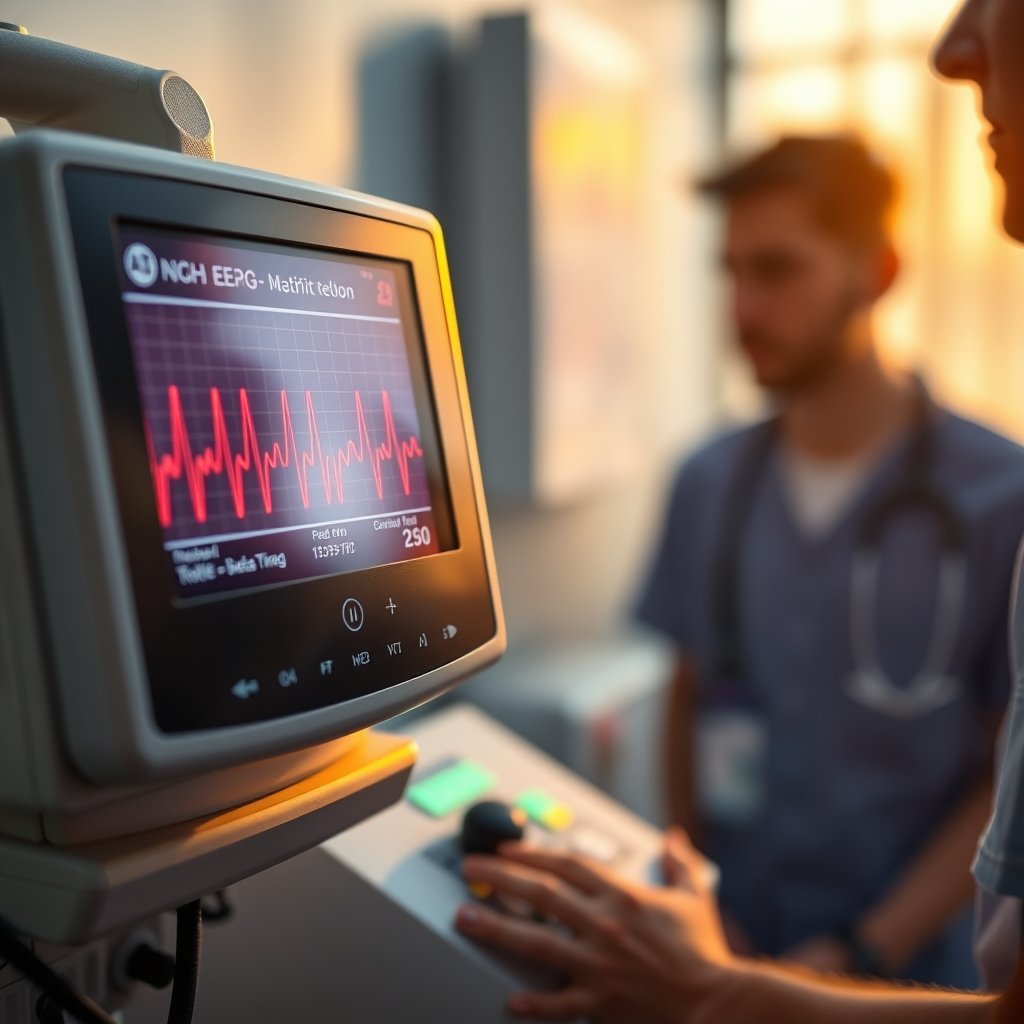
After performing the EKG, technicians analyze the results, ensuring they are accurate before passing them on to physicians for interpretation. This step is critical as it can directly influence diagnosis and treatment plans. For example, I once had a patient whose EKG showed signs of atrial fibrillation. I promptly reported this to the physician, who was able to intervene quickly, demonstrating how crucial our role can be. Additionally, EKG technicians often maintain records, manage inventory, and may even assist in administrative tasks, highlighting the multifaceted nature of their role.
Team Collaboration and Interaction
Collaboration is a key aspect of the typical EKG technician work environment. Technicians often work closely with nurses, doctors, and other healthcare professionals. This teamwork is essential for providing comprehensive patient care. For instance, after performing an EKG, I often collaborated with nurses to discuss any immediate concerns regarding a patient’s heart condition. EKG technicians must communicate effectively with these team members to relay critical information regarding patient conditions and test results. Discover the Amazing EKG Technician Job Benefits
Moreover, they may participate in meetings and case discussions, contributing their insights based on the data gathered during EKGs. One memorable experience occurred during a departmental meeting when I presented a case study on a patient with atypical EKG readings, which sparked a robust discussion about diagnostic techniques. Being a part of such a collaborative environment not only enhances patient care but also fosters professional growth and learning among staff.
Patient Interaction and Care
One of the most rewarding aspects of being an EKG technician is the direct interaction with patients. In the typical EKG technician work environment, you will frequently engage with patients, explaining procedures, easing their concerns, and providing comfort. This human element is vital, as many patients may feel anxious when undergoing cardiac testing.
Building rapport with patients can enhance their overall experience and encourage them to communicate any concerns they have. For example, there was a time when an elderly patient was visibly distressed about the EKG procedure. I took the time to sit with her, explaining each step and reassuring her. By the end of the procedure, she was not only calm but also expressed gratitude for the care and attention I provided. As an EKG technician, your ability to empathize and connect with patients can make a significant difference in their healthcare journey.
Work Hours and Flexibility
The work hours for EKG technicians can vary significantly depending on the facility. Many technicians work full-time, but shifts may include evenings, weekends, or even holidays, especially in hospital settings. This variability can be a double-edged sword; while some appreciate the flexibility, others may find it challenging to balance work and personal life.
In outpatient settings, hours tend to be more regular, often aligning with standard business hours. However, the demand for EKG services can lead to overtime during peak times or when staff shortages occur. A friend of mine who works in a large hospital often shares stories of working late shifts during flu season, when the number of patients skyrockets. Understanding these dynamics is crucial for anyone considering a career in this field.
Career Advancement Opportunities

For EKG technicians, there are numerous opportunities for career advancement within the healthcare field. Many technicians choose to further their education, pursuing certifications that can lead to specialized roles such as cardiac sonographers or cardiovascular technologists. The healthcare industry is continually evolving, and additional training can open doors to new responsibilities and higher salaries.
Moreover, networking within the healthcare community can provide insights into potential job openings and advancements. Joining professional organizations can also offer resources for continued learning and development, ensuring that you stay current in your field. I remember attending a conference where I met several seasoned professionals who shared valuable career advice and mentorship opportunities.
Challenges Faced in the Work Environment
While a career as an EKG technician can be fulfilling, it’s not without its challenges. The typical EKG technician work environment can be demanding, especially during busy shifts. Technicians may encounter difficult situations, such as dealing with uncooperative patients or managing multiple tasks simultaneously. Stress management becomes crucial in these scenarios. I recall a particularly challenging day when we had a surge of patients, and I had to perform EKGs on multiple individuals in rapid succession. Staying organized and calm under pressure was key to completing my tasks efficiently.
Additionally, the emotional toll of working with patients who may be experiencing severe health issues cannot be overlooked. EKG technicians must develop coping strategies to handle the emotional weight of their responsibilities while maintaining professionalism and compassion. This could involve seeking support from colleagues or engaging in self-care practices outside of work. What Does an EKG Technician Do Daily? A Comprehensive Guide
The Importance of Continuous Education
In the fast-paced healthcare environment, continuous education is essential for EKG technicians. Staying updated with the latest technology, techniques, and industry standards is crucial. Many organizations offer workshops, seminars, and online courses tailored to EKG technicians. Participating in these opportunities not only enhances your skills but also demonstrates your commitment to professional development.
Furthermore, certifications can provide a competitive edge in the job market. Obtaining certifications from recognized organizations validates your expertise and can be a significant factor in securing desired positions within the healthcare system. I recently completed a certification course that focused on advanced EKG interpretation, which not only broadened my knowledge but also increased my confidence in handling complex cases.
Conclusion
The typical EKG technician work environment is diverse and dynamic, offering both challenges and rewards. From patient interaction to advanced technology, EKG technicians play an integral role in the healthcare system. By understanding the nuances of this work environment, aspiring technicians can better prepare themselves for a fulfilling career in this essential field. If you’re considering this path, you can learn more about the job benefits and daily responsibilities in our posts on EKG Technician Job Benefits and What Does an EKG Technician Do Daily?.

FAQs
What qualifications do I need to become an EKG technician?
You’ll typically need a high school diploma and specialized training, often through a certification program. Many employers prefer candidates with certification from recognized organizations.
Where do EKG technicians work?
EKG technicians work primarily in hospitals, outpatient clinics, and cardiology offices. Some may also work in patients’ homes.
What skills are important for an EKG technician?
Key skills include technical proficiency with EKG machines, strong communication abilities, and a compassionate approach to patient care.
How can I advance my career as an EKG technician?
Consider pursuing additional certifications, specializing in areas like echocardiography, and networking within the healthcare community.
Is the demand for EKG technicians growing?
Yes, as the population ages and the prevalence of heart conditions rises, the demand for skilled EKG technicians is expected to continue growing.